Skip to content Skip to sidebar Skip to footer

sascha

44 articles published
MCP-Image

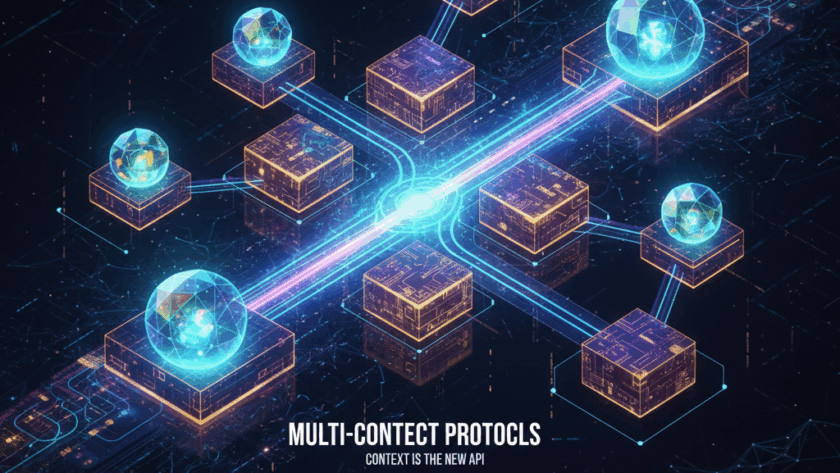
AI Agents and the Rise of Multi-Context Protocols: Why Context Is the New API

Enterprise systems like Salesforce, SAP, or ServiceNow have long been the backbone of corporate operations. They structure processes, enforce rules, and store critical data. But as AI agents begin working across these systems – reasoning, acting, and collaborating autonomously – the old integration model is breaking down. The new foundation isn't just another API. It's…

Read More

MCP-Model Context Protocol

MCP Explained: The Model Context Protocol for Enterprise AI Integration

As AI matures, enterprises face a growing challenge: how do you connect AI models with existing systems in a standardized way? Every integration is custom, fragile, and difficult to maintain. The Model Context Protocol (MCP) aims to solve this. MCP is an open protocol designed to streamline communication between AI models, tools, and enterprise applications. Think…

Read More

Headless AI

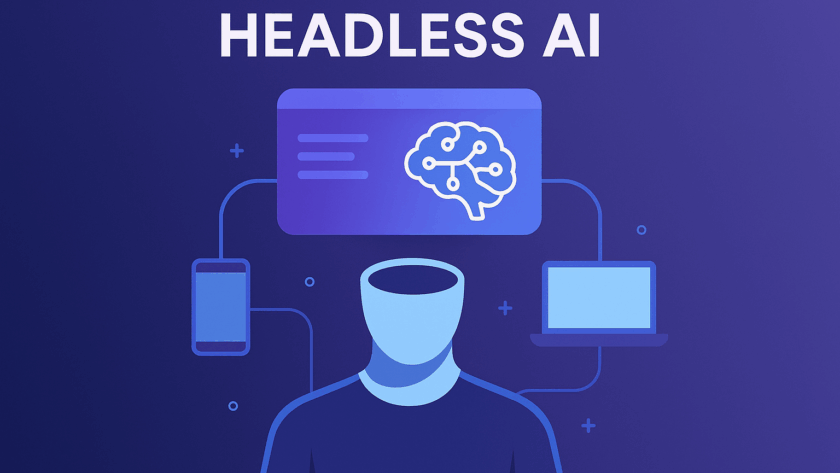
Headless AI Explained: The Future of Flexible and Scalable AI

The term "headless" in technology refers to separating backend logic from frontend interfaces. Headless CMS and headless commerce follow this pattern. Headless AI applies the same principle to artificial intelligence – the AI models and decision-making logic operate independently from the user-facing layer. Why does this matter? Traditional AI systems bundle the model, interface, and deployment…

Read More

n8n AI Agent

What is n8n? Getting Started with Open-Source Automation and Local Installation

Automation isn't optional anymore. Companies face constant pressure to cut costs, improve efficiency, and meet rising customer expectations. Routine tasks – syncing CRM and ERP data, sending reports, handling support tickets – eat up hours that could be spent on strategic work. n8n offers a way out. n8n is an open-source workflow automation tool that connects…

Read More

AI Agents

What Are AI Agents and Their Greatest Benefits

AI agents operate differently than traditional chatbots or generative AI tools. They don't just respond to prompts – they perceive data, plan actions, execute tasks, and self-correct with minimal human supervision. Think of them as autonomous software entities that pursue defined objectives by orchestrating APIs, managing workflows, and retaining memory across interactions. The difference matters. A…

Read More